When Henrietta passed away, we found her old photo album titled “Rogue’s Gallery” in a trove of memorabilia. Among the most intriguing photos are those shown below.
Photos that inspired WHAT LIES IN TRUTH
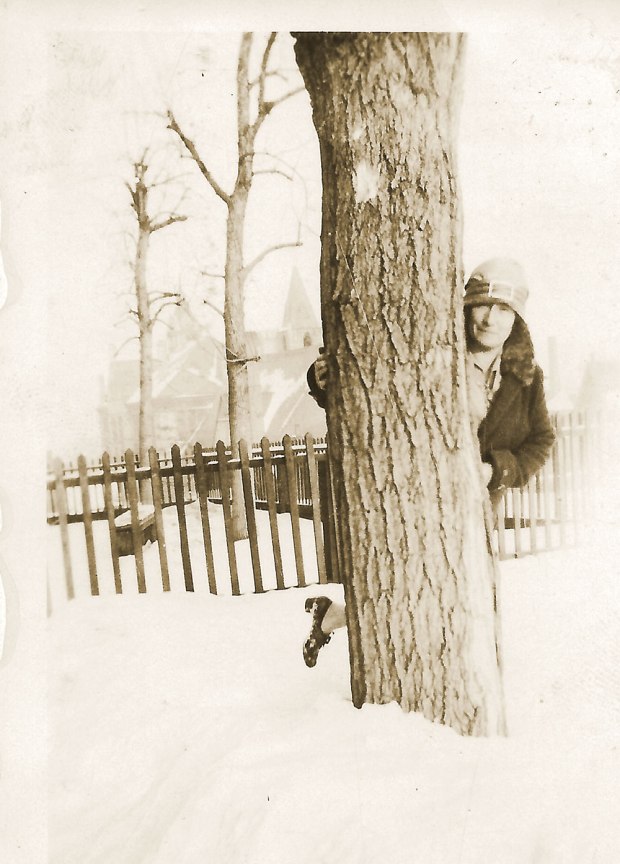
It was a snowy day sometime between Christmas 1927 and New Year’s Day 1928 when Mimi and Henrietta bundled up and headed outdoors for pictures on the Crittenton Home grounds, a safe haven for unwed mothers. I imagine Henri wanted to send photos to her folks in Wisconsin so they’d know she was doing fine. But as an unmarried mother, she couldn’t tell them about her pregnancy. Mimi, her mentor at the Home, having worked with unwed mothers for several years, had some tricks up her sleeve. The photo below is of Mimi showing Henri how to pose while hiding her pregnancy.
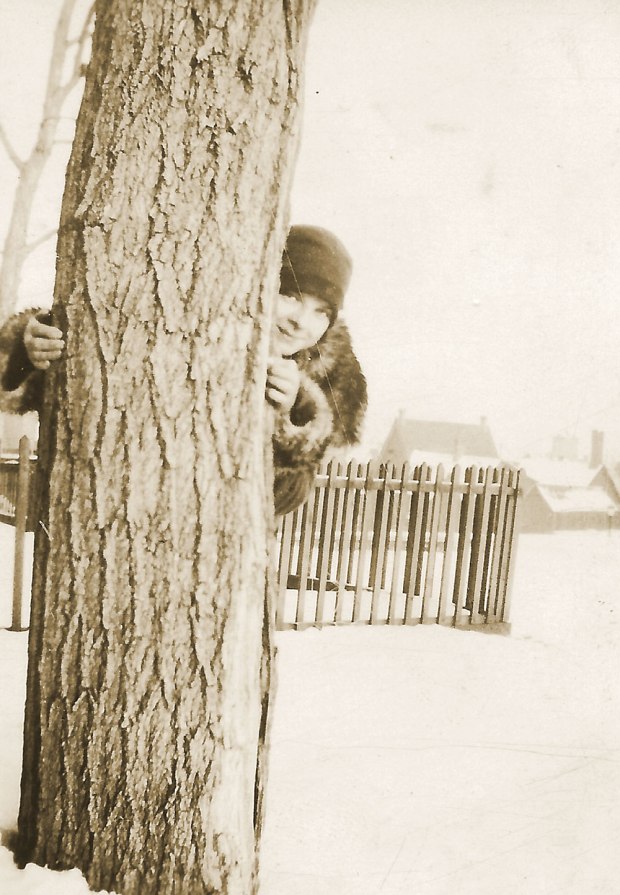
Below is Henri, in her cloche hat and her roguish grin, posed behind the tree, pretending everything is on the up and up. Henri’s first child was born three weeks later on January 18, 1928.
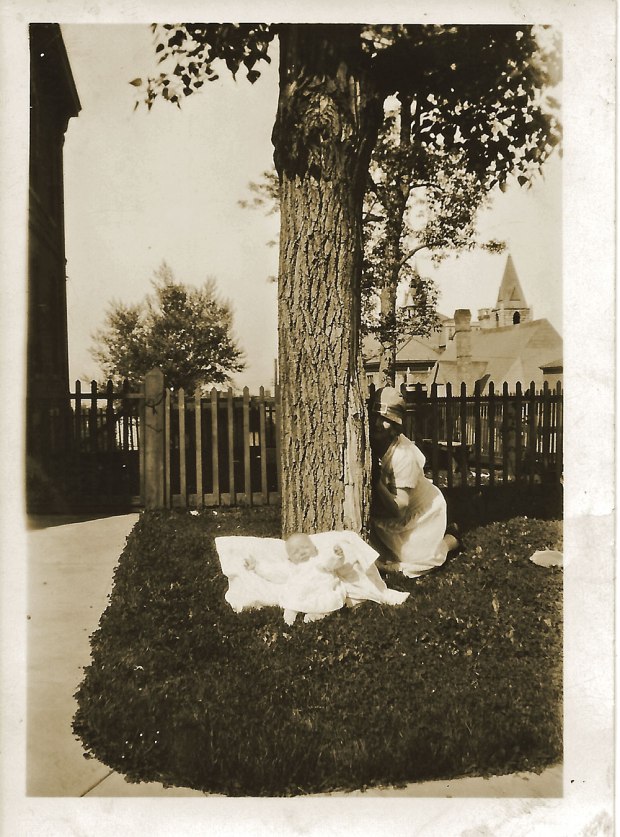
Five months later, Henri returned to the Crittenton Home to have a third photo taken on the same spot with baby Angelica. By then Henri had a fictitious marriage certificate her cousin, a Catholic Priest, had fabricated for her. And the web to hide the truth began to spin.
Here are two of the many photos in Henrietta’s “Rogues Gallery” taken when she visited her family in Wisconsin in August 1928.
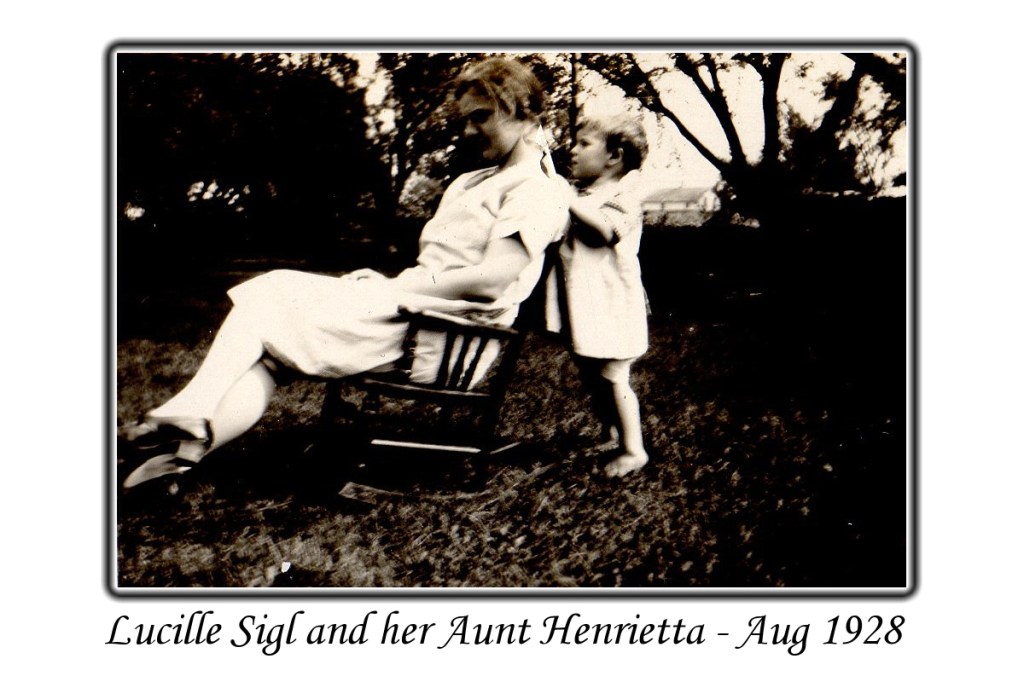
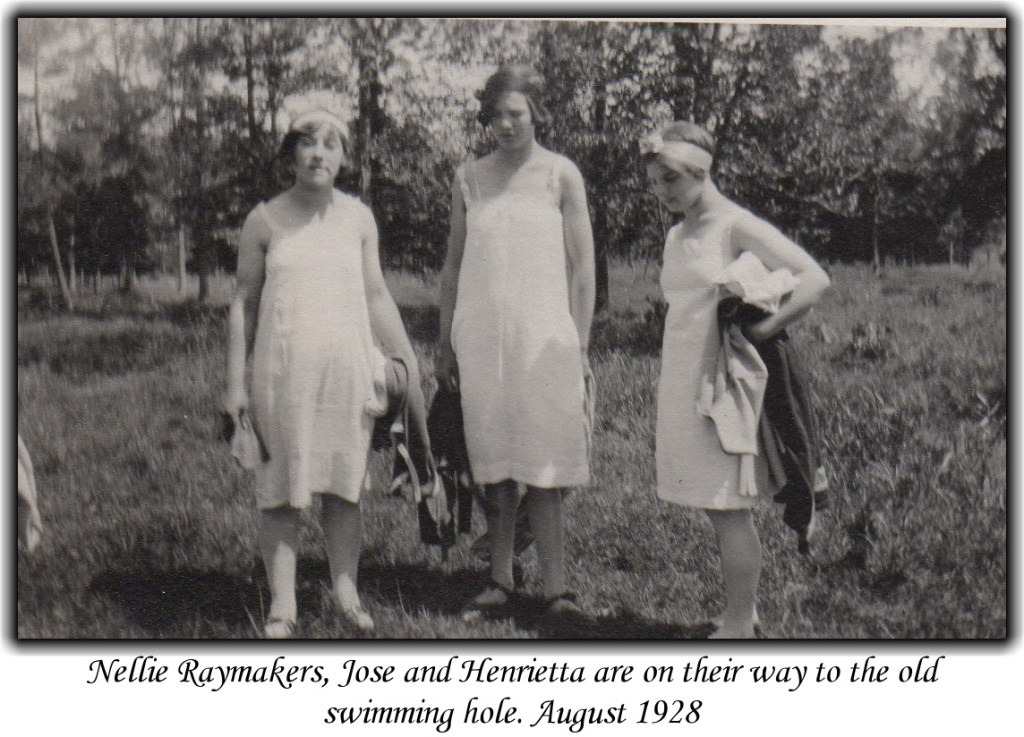
Interestingly, there were no photos of Angelica, who had been born seven months earlier, among those taken during her trip home to Wisconsin. However there was a photo of Henrietta with Angelica taken September of 1928. The surroundings in the picture suggest it was taken in Helena near the Crittenton Home.
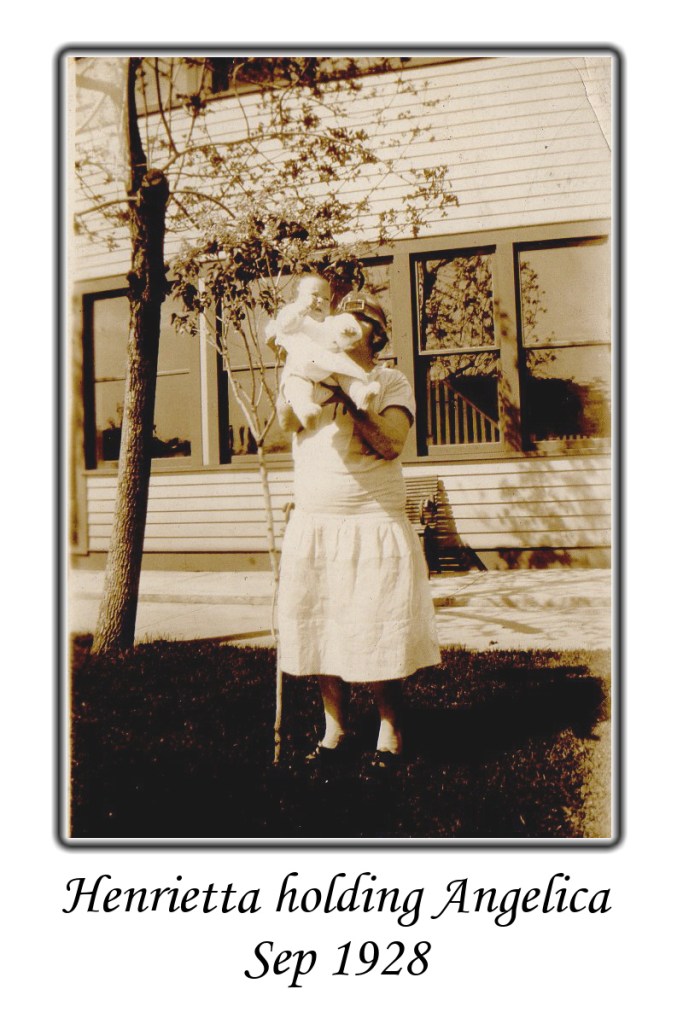
Photos that inspired
I BELONG
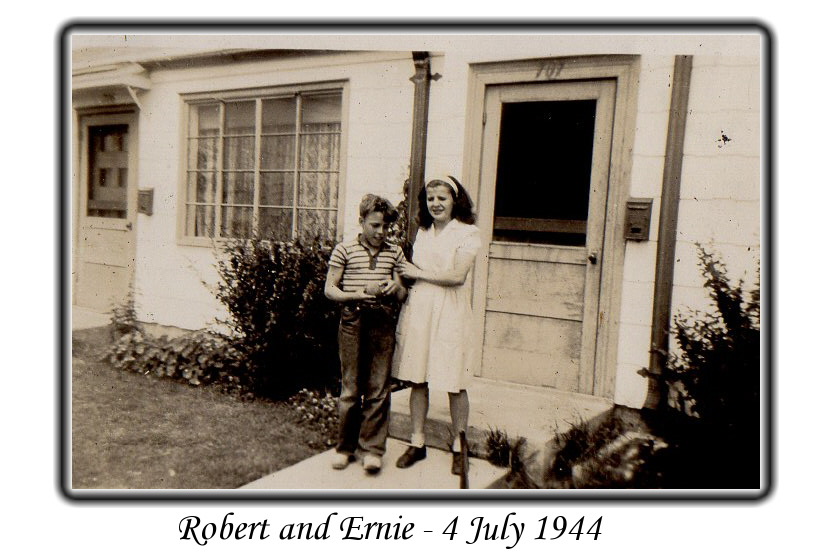
I BELONG begins as Henrietta and her children move into a more modern home in Parkdale, Great Falls, Montana.
Quote from Ernestine’s poem, “I Am” written in the 1970s as she struggles to find the identity of her father:
Even though my soul I search,
Know this part which is really me,
Can I decipher the dreams I dream,
And know exactly what they mean?
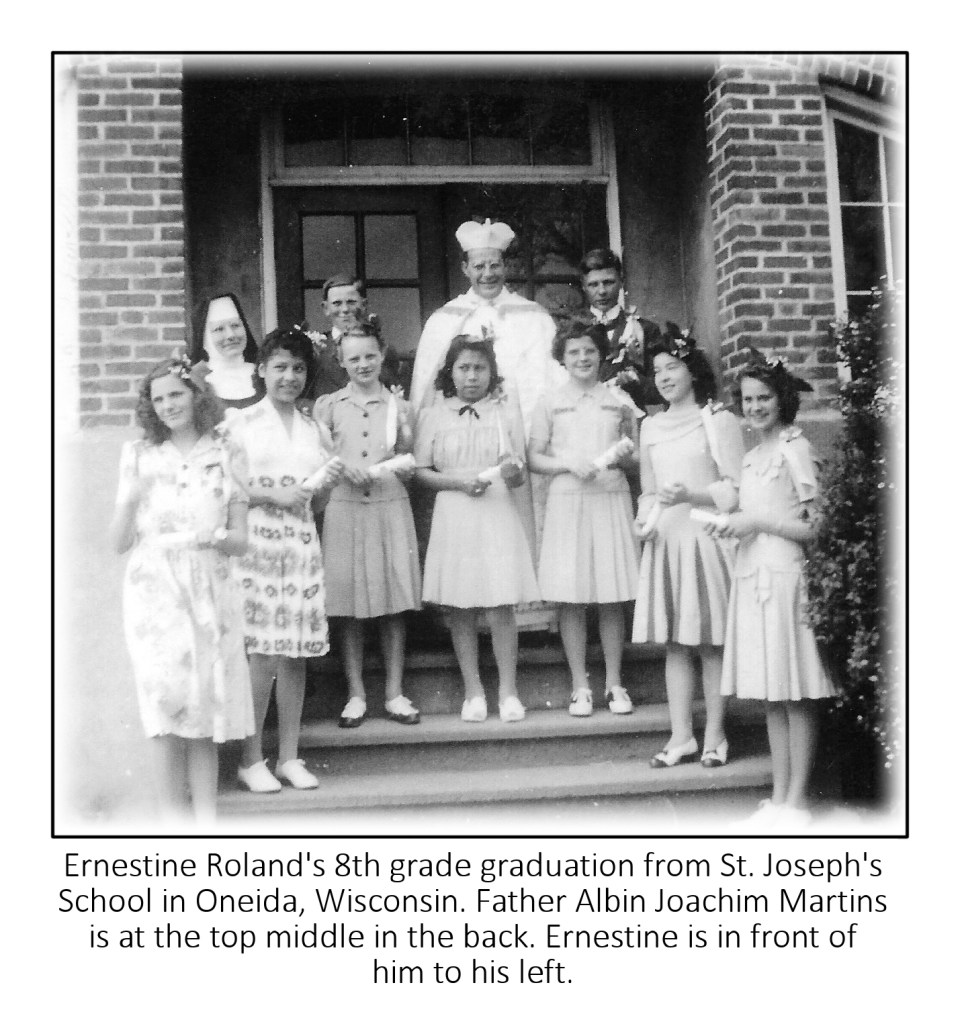
The photo was taken on May 2, 1943 as Ernestine’s year with her grandparents is about to end. What happened that year had a profound effect on Ernestine’s life. Notice the expression on Father M’s and Ernestine’s faces.
Quote from Ernestine’s poem, “I Am” written in the 1970s as she struggles to find the identity of her father.
I am, but who knows me?
In judging others
We must ask ourselves,
What can our answer be?
Whose soul do we really see?

 A Writer's Trek